
Introduction to Application Mobile Dualmedia and Its Growing Demand
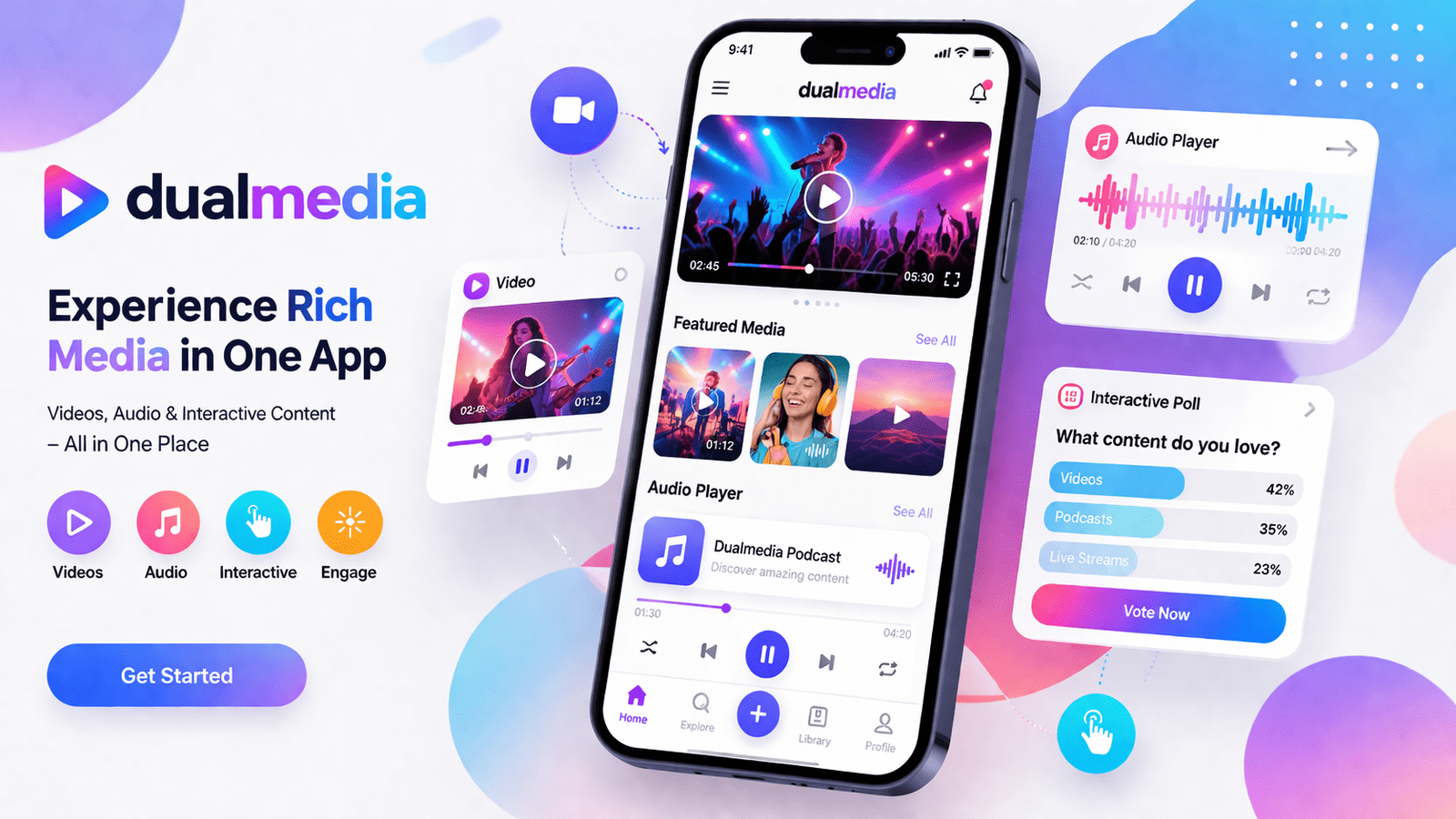
The concept of application mobile dualmedia has gained strong attention in the mobile app development world because it represents a shift toward richer, more interactive digital experiences. In simple terms, it refers to mobile applications that combine multiple media types such as video, audio, text, images, and interactive elements within a single platform. This approach is becoming essential in modern app ecosystems where users expect seamless and engaging content delivery.
Another important reason for its popularity application mobile dualmedia is the increasing demand for cross-platform mobile solutions. Businesses no longer want separate apps for different media formats. Instead, they prefer unified systems that work efficiently on both Android and iOS. This is where dualmedia applications play a key role by integrating multiple content formats into one smooth user experience.
From a digital transformation perspective, application mobile dualmedia is not just a technical concept but a strategy for improving engagement, retention, and user satisfaction.
Understanding What Application Mobile Dualmedia Really Means
The term application mobile dualmedia generally has two interpretations in the industry. One refers to mobile apps developed by agencies or companies specializing in dualmedia solutions, while the other refers to apps designed to handle multiple media formats simultaneously.
In the broader technical sense, it describes mobile applications that combine media types such as video streaming, podcasts, interactive graphics, and text-based content. These apps allow users to switch between formats without leaving the application, making the experience more fluid and connected.
Recent industry explanations highlight that dualmedia apps are built to support modern content consumption habits, where users may watch videos, listen to audio, and interact with content in real time within a single environment.
How Application Mobile Dualmedia Works in Real Digital Environments
Application mobile dualmedia systems are designed with a layered architecture that allows different media formats to operate simultaneously. At the core, these apps rely on strong backend systems, cloud storage, and media processing engines that ensure smooth playback and synchronization.
For example, a user might watch a video while reading synchronized text or listening to an audio narration. The app manages all these formats in real time without performance issues. This is achieved through optimized media pipelines and cross-platform development frameworks.
In most modern implementations, dualmedia apps are also cloud-based, meaning content is stored and delivered through scalable servers that ensure fast loading speeds and minimal lag. This structure is essential for maintaining a high-quality user experience.
Key Features That Define Application Mobile Dualmedia Apps
One of the defining strengths of application mobile dualmedia is its ability to integrate multiple media formats into a single interactive system. These apps commonly support video, audio, and text simultaneously, allowing users to engage with content in different ways depending on their preferences.
Another important feature is cross-platform compatibility. Many dualmedia applications are developed using frameworks that allow them to run smoothly on both Android and iOS without needing separate codebases. This reduces development costs and ensures consistency across devices.
Industry analysis shows that these apps often include real-time engagement features, offline access, and adaptive content systems that adjust based on user behavior and device capability.
Why Businesses Are Adopting Application Mobile Dualmedia Solutions
Businesses are increasingly investing in application mobile dualmedia solutions because they offer better user engagement and higher retention rates. Users tend to spend more time in apps that provide multiple content formats in one place.
Another key advantage is efficiency in content delivery. Instead of managing separate platforms for video, audio, and text, companies can centralize everything into a single application. This simplifies operations and improves brand consistency.
From a marketing perspective, dualmedia apps also open new monetization opportunities such as subscriptions, in-app purchases, and interactive advertising models that perform better than traditional formats.
Real-World Use Cases of Application Mobile Dualmedia
Application mobile dualmedia is widely used across several industries including education, entertainment, media, and business communication. In education, these apps combine video lectures with interactive quizzes and audio explanations to improve learning outcomes.
In entertainment, platforms use dualmedia systems to combine live streaming, podcasts, and interactive features within one ecosystem. This creates a more immersive experience for users who prefer flexible content consumption.
Corporate environments also use dualmedia applications for training, communication, and internal knowledge sharing. These apps help organizations streamline information delivery across teams and departments.
Technical Architecture Behind Application Mobile Dualmedia
The technical foundation of application mobile dualmedia includes frontend frameworks, backend servers, cloud storage, and media processing systems. Developers often use technologies like Flutter or React Native to build cross-platform interfaces that ensure consistency across devices.
On the backend side, systems are powered by APIs, databases, and real-time processing engines that handle user requests and media streaming. Cloud platforms play a crucial role in storing large media files and delivering them efficiently.
Security is another critical aspect, as dualmedia apps often deal with sensitive user data and premium content. Encryption protocols and authentication systems are used to protect both content and user information.
Benefits and Challenges of Application Mobile Dualmedia
The primary benefit of application mobile dualmedia is enhanced user engagement. By combining multiple media types, these apps keep users engaged for longer periods, which directly improves retention and monetization potential.
Another advantage is scalability. Businesses can expand their content offerings without rebuilding separate applications for each media format. This flexibility makes dualmedia solutions highly cost-effective in the long run.
However, there are challenges as well, including higher initial development complexity and the need for strong backend infrastructure. Managing multiple media formats in real time requires advanced optimization techniques and careful system design.
Future Trends of Application Mobile Dualmedia in 2026 and Beyond
The future of application mobile dualmedia is closely tied to advancements in artificial intelligence, cloud computing, and immersive technologies. AI-powered personalization will allow apps to adapt content based on user behavior and preferences in real time.
Another emerging trend is the integration of augmented reality and interactive media layers. This will make dualmedia applications even more engaging by blending physical and digital experiences.
Industry forecasts suggest that dualmedia systems will become a standard in mobile app development as users continue to demand richer and more flexible content experiences across devices.
Conclusion: Why Application Mobile Dualmedia Matters Today
Application mobile dualmedia represents a major evolution in how mobile apps are designed and experienced. By combining multiple media formats into a single platform, it creates a seamless, engaging, and highly interactive user experience.
Its importance continues to grow as businesses and users shift toward more dynamic content consumption patterns. Whether used for education, entertainment, or business communication, dualmedia applications are shaping the future of mobile technology.
