
In today’s digital environment, users often come across unusual alphanumeric strings like “vl n9zelo-dofoz” in blogs, system discussions, or technical articles. At first glance, it looks like a random code, but it has been widely discussed online as a structured digital identifier or conceptual framework. People usually search for it to understand whether it represents a software system, a technical model, or simply a placeholder used in digital content. The rising curiosity around this term shows how modern users are increasingly trying to decode unfamiliar digital patterns.
Recent online publications describe about vl n9zelo-dofoz as an emerging conceptual or technical label associated with structured digital systems and identifiers rather than a traditional product or publicly defined technology . While its exact origin is not officially documented, its repeated appearance in tech-style articles suggests that it is being used as a symbolic or structural example within digital discussions rather than a real-world consumer tool.
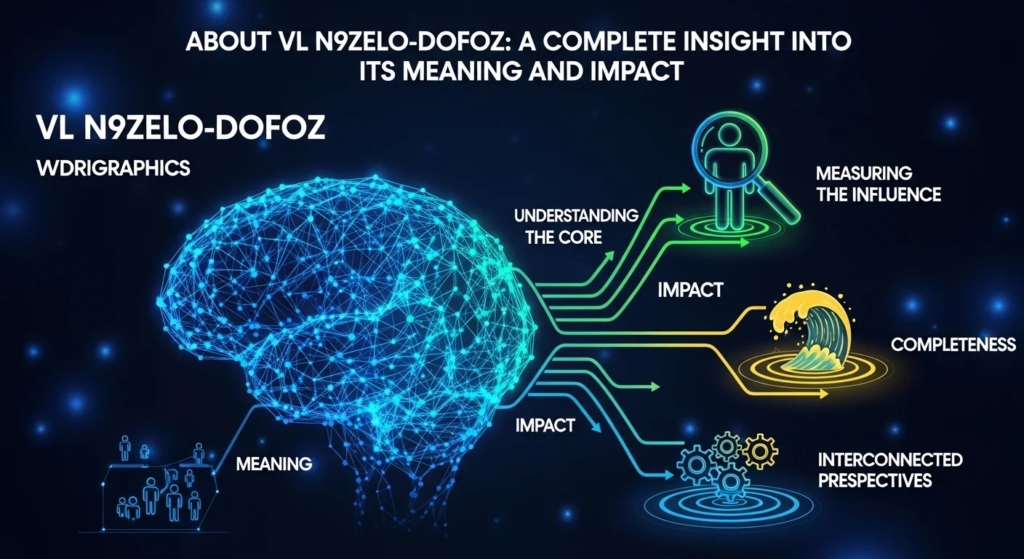
What Is vl n9zelo-dofoz?
vl n9zelo-dofoz is generally interpreted as a structured alphanumeric identifier rather than a standard word or recognized technology. It does not belong to any officially registered software, company, or standardized system. Instead, it follows a naming pattern often seen in digital environments where unique codes are used to represent internal data, processes, or conceptual placeholders.
In many explanations, it is described as a system-generated or framework-like identifier used to demonstrate how structured naming works in modern digital systems . This means its value lies not in linguistic meaning, but in its structural design, which resembles how databases, logs, and backend systems generate unique tokens.
Why vl n9zelo-dofoz Appears in Online Discussions
One major reason vl n9zelo-dofoz appears in online searches is its unusual structure. Users often encounter it in technical-looking articles or SEO-driven content and become curious about its meaning. Because it looks like a coded system label, people naturally assume it may be linked to software, security systems, or hidden frameworks.
Another reason is the rise of content strategies that use unique or low-competition keywords. Many websites publish explanatory articles around such terms to attract search traffic from users who are trying to decode unfamiliar strings. As a result, vl n9zelo-dofoz has gained visibility even without a confirmed technical origin.
Structural Analysis of vl n9zelo-dofoz
The structure of vl n9zelo-dofoz is one of its most discussed aspects. It is composed of three parts: a prefix (“vl”), a central alphanumeric segment (“n9zelo”), and a suffix (“dofoz”). This segmentation resembles naming conventions used in software systems where identifiers are divided for clarity and categorization.
Such structured formats are often used in digital systems for version tracking, data labeling, or internal referencing. The presence of mixed letters and numbers increases uniqueness, which is essential in environments where millions of identifiers must remain distinct. Even though the string looks random, its format aligns with real-world practices used in backend architecture and system design.
Possible Technical Interpretations
From a technical perspective, vl n9zelo-dofoz is often interpreted as a placeholder identifier used in experimental systems or conceptual frameworks. These types of identifiers are commonly generated during software development to test databases, APIs, or system behavior without using real data.
Some online analyses suggest it may represent a modular or layered system concept where each segment of the identifier corresponds to a different functional layer . For example, prefixes might indicate environment type, middle segments might represent process IDs, and suffixes might represent classification tags. While this is speculative, it reflects common practices in system engineering.
Why Developers Use Structured Identifiers
Structured identifiers like vl n9zelo-dofoz are important in modern computing because they help manage complexity. Large-scale systems often handle millions of operations per second, and each operation must be uniquely tracked. Human-readable names are not sufficient in such environments, which is why machine-generated identifiers are widely used.
These identifiers ensure that data remains organized, traceable, and consistent across different system layers. They also reduce errors in logging, debugging, and data retrieval processes. Even though users may never directly interact with such identifiers, they are essential for keeping digital infrastructure stable and efficient.
Misconceptions About vl n9zelo-dofoz
A common misconception is that vl n9zelo-dofoz is a real product, software tool, or malware signature. However, there is no verified evidence linking it to any official application or cybersecurity threat. Its appearance in articles is more consistent with conceptual explanations than with actual deployed technology.
Another misunderstanding is assuming that it carries literal meaning like a word in natural language. In reality, structured identifiers are not meant to be interpreted linguistically. They are designed for machines, not human semantic understanding, which is why they often appear abstract or confusing.
Role in Digital Content and Trends
The popularity of vl n9zelo-dofoz is also influenced Many websites publish articles on unusual keywords to capture search traffic from users looking for explanations. This creates a cycle where curiosity increases search volume, which in turn leads to more content being created around the term.
As digital content ecosystems evolve, such keywords become part of a broader trend where structured or invented terms are used to generate informational articles. While the technical depth may vary across sources, the overall goal is often to explain patterns in digital identifiers and system-like structures.
Conclusion
About vl n9zelo-dofoz is best understood as a structured alphanumeric identifier used in conceptual or technical discussions rather than a confirmed software system or real-world product. Its format reflects common practices in digital architecture, where unique identifiers are used to manage complex systems efficiently. Although its exact origin remains unclear, its structure and repeated appearance in online content suggest it is used as a symbolic example of modern digital naming conventions.
Understanding vl n9zelo-dofoz helps highlight how modern systems rely on structured identifiers to maintain organization, scalability, and clarity. As digital environments continue to expand, such terms remind us that not all technical-looking strings have direct meanings—many exist to support the invisible architecture that powers today’s technology.
