
Introduction to 8332392133 and Why People Search This Number
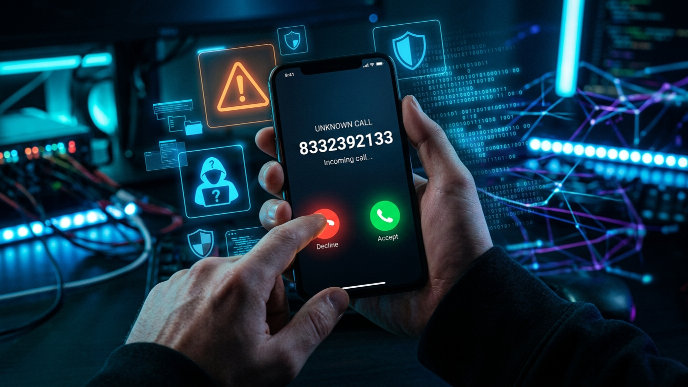
The number 8332392133 has become a topic of online interest because many users receive calls from unknown numbers and immediately search the internet to understand whether the call is legitimate, suspicious, or connected to spam activity. In today’s digital communication environment, people are more cautious than ever about answering unfamiliar calls because robocalls, telemarketing campaigns, phishing attempts, and scam operations have increased significantly across the world.
Phone numbers with toll-free prefixes often attract attention because they appear professional and business-related. The 833 prefix belongs to the North American toll-free number system, which is commonly used by customer service departments, support centers, delivery services, financial institutions, and automated communication systems. However, scammers also use toll-free numbers because they appear more trustworthy to users.
The increasing search activity around 8332392133 reflects a broader change in user behavior. Instead of answering unknown calls immediately, many people now use reverse lookup services and online reporting systems to identify callers before responding. Public databases currently show limited confirmed information about this specific number, which creates even more curiosity and uncertainty among users.
What Type of Number 8332392133 Actually Is
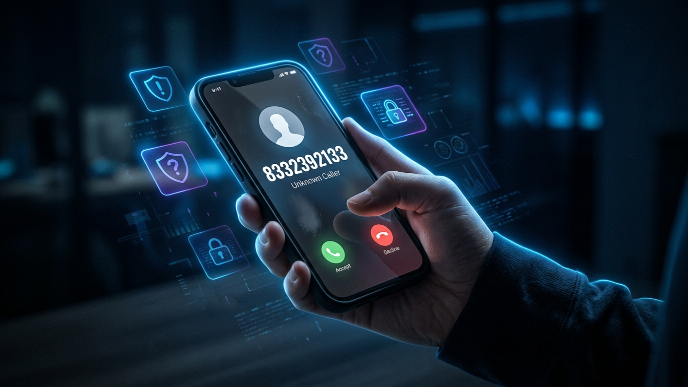
The number 8332392133 belongs to the toll-free number category used in the United States and Canada. Toll-free numbers were originally introduced so businesses could allow customers to contact them without paying long-distance charges. Over time, these numbers became associated with customer service operations, business communication systems, and support centers.
Unlike traditional geographic area codes, toll-free numbers are not connected to one specific city or region. A company or organization can operate from almost anywhere while using the same toll-free number. This flexibility is useful for national businesses but also creates confusion because users cannot identify a location simply by looking at the number.
Modern telecom systems also allow numbers to be routed through VoIP technology and cloud-based calling networks. This means calls can originate from automated systems, remote offices, or outsourced communication centers. Because of these technologies, identifying the true origin of a toll-free number is often difficult without access to telecom provider records.
Many businesses use toll-free systems legitimately for appointment reminders, customer verification, surveys, technical support, and account notifications. However, telecom experts frequently warn that scammers also take advantage of these systems because people tend to trust business-style numbers more than ordinary mobile numbers.
Why People Receive Calls From 8332392133
There are several possible explanations for receiving calls from 8332392133. One common reason is automated business communication. Large companies often use automated dialing systems to contact customers about appointments, deliveries, subscriptions, surveys, or account updates.
Another possibility is telemarketing activity. Many marketing companies use toll-free numbers to conduct promotional campaigns, customer outreach programs, or advertising calls. These systems may place large numbers of automated calls every day, which can make users suspicious even if the caller is technically legitimate.
Some calls may also result from recycled phone numbers. Telecom providers frequently reassign inactive numbers to new organizations. A number that once belonged to one company may later be used by another service entirely. This can lead to confusion if older online reports remain associated with the number.
There is also the possibility of spoofing. Caller ID spoofing allows scammers to manipulate the displayed phone number so that calls appear to come from trusted-looking sources. Security experts consistently warn users not to trust caller ID alone when evaluating unknown calls.
Reverse Phone Lookup and Online Search Activity
When people search 8332392133 online, they are participating in what is commonly known as reverse phone lookup behavior. Reverse lookup systems allow users to enter a phone number and search for publicly available information, user reports, or telecom-related data connected to the number.
Several major platforms provide these services by combining public records, user-submitted feedback, telecom data, and community reporting systems. These websites attempt to classify numbers into categories such as unknown caller, robocall, telemarketer, spam risk, or legitimate business communication.
However, reverse lookup systems are not always fully accurate. Many rely heavily on crowd-sourced reports, meaning a number may be labeled suspicious simply because users dislike receiving automated calls. At the same time, numbers with few reports remain difficult to classify confidently.
Public databases currently show limited confirmed reports directly tied to 8332392133. This lack of strong reporting can mean several things. The number may belong to a low-volume communication system, a recently activated business line, or simply a number that has not yet generated enough public feedback.
Online search behavior also demonstrates how communication habits have changed over time. In the past, people usually answered unknown calls directly. Today, many users prefer researching numbers online before deciding whether to respond or block the caller.
Robocalls, Telemarketing Systems, and Spam Risks
Robocalls have become one of the biggest challenges in modern telecommunications. Automated dialing systems can place thousands of calls every hour, making them attractive for both legitimate businesses and malicious actors.
Legitimate robocalls are commonly used for customer reminders, fraud alerts, political campaigns, and service notifications. These systems reduce communication costs and allow companies to reach large audiences quickly. However, aggressive marketing practices and poorly managed call systems often frustrate users.
Scammers also use robocall systems for fraudulent purposes. Fake bank alerts, technical support scams, delivery impersonation calls, and government fraud schemes are increasingly common worldwide. These operations often rely on urgency and fear to manipulate victims into revealing sensitive information.
Telecom security platforms warn that unknown callers who request passwords, verification codes, payment information, or remote device access should always be treated with extreme caution. Legitimate organizations rarely request sensitive data unexpectedly during unsolicited calls.
Some robocall systems also use silent calls or delayed responses. Users may answer the phone and hear silence before an automated system connects. This behavior is often associated with predictive dialing technology used in large-scale call centers.
Privacy Risks and Security Concerns Related to Unknown Calls
The biggest risk associated with unknown phone calls is not necessarily the number itself but the information exchanged during the interaction. Scam callers frequently use social engineering tactics designed to manipulate emotions such as urgency, fear, curiosity, or confusion.
A common technique involves impersonating trusted institutions such as banks, courier companies, telecom providers, or government agencies. The caller may claim there is a problem with an account, suspicious activity, or a pending payment issue. The goal is usually to convince the user to reveal confidential information.
Cybersecurity professionals strongly advise against sharing one-time passwords, financial details, national identification numbers, or login credentials over unsolicited phone calls. Even if the caller appears professional, users should independently verify claims through official company contact channels.
Another privacy issue involves active-number detection. Some automated systems track whether a number answers incoming calls. Once a number is confirmed as active, it may receive additional spam calls in the future. This is one reason many users avoid answering unknown numbers unless they are expecting a call.
Modern smartphones now include spam filtering and call-blocking features that help reduce exposure to repeated unwanted calls. Telecom providers and security applications also use machine learning systems to identify suspicious calling patterns in real time.
How Modern Reverse Lookup Systems Work
Reverse phone lookup systems have evolved significantly over the past decade. Modern platforms combine public records, telecom databases, social media references, community reporting systems, and open-source intelligence tools to generate caller profiles.
Some services focus mainly on identifying spam and scam activity, while others attempt to provide more detailed information such as line type, carrier, possible owner details, or geographic data. Results often vary depending on the number type and the amount of publicly available information connected to it.
Toll-free numbers like 8332392133 are often more difficult to identify than residential landline numbers because they may belong to cloud communication systems or outsourced service providers. In many cases, the number may connect to a rotating network of support agents rather than one fixed organization.
Several lookup platforms explain that their systems rely partly on user contributions. If enough users report a number as spam or telemarketing, the system may automatically classify it as suspicious. This community-driven model helps identify threats quickly but may also create false positives.
Users should therefore treat reverse lookup results as informational guidance rather than absolute verification. Combining lookup results with common sense and cautious behavior is generally the safest approach.
Best Practices When Receiving Calls From 8332392133
The safest strategy when receiving a call from 8332392133 is to remain cautious and avoid making quick decisions during the conversation. If the caller claims to represent a company or institution, users should independently verify the information through official customer support channels.
Allowing unknown calls to go to voicemail is often a practical solution. Legitimate callers usually leave clear voicemail messages explaining the reason for contact. Scam robocalls and suspicious telemarketing systems often fail to provide detailed messages.
Users should also avoid clicking links sent through suspicious text messages connected to unknown numbers. Many phishing operations combine calls and text messages to trick users into revealing login credentials or payment information.
Blocking repeated unwanted numbers can help reduce future disruptions. Most smartphones now include built-in tools for spam filtering, reporting, and call blocking. Community reporting also helps telecom providers improve spam-detection algorithms over time.
Experts additionally recommend monitoring financial accounts regularly if users suspect they may have interacted with suspicious callers. Early detection is one of the most effective ways to minimize fraud-related damage.
Why Toll-Free Numbers Continue to Create Confusion
Toll-free numbers continue to create confusion because they exist in a space between trusted business communication and potential abuse. On one hand, major companies rely heavily on toll-free systems for customer service and support operations. On the other hand, scammers intentionally use similar numbers to appear professional and credible.
The rise of VoIP technology, cloud telephony, and automated communication systems has made it easier than ever to create large-scale calling operations. This technological flexibility benefits legitimate businesses but also lowers the barrier for malicious actors.
Many users now associate unknown toll-free numbers with robocalls because automated systems frequently use these prefixes. Silent calls, prerecorded messages, and delayed call connections further increase suspicion even when the call originates from a real company.
Telecom providers are working to improve caller authentication systems through technologies such as STIR/SHAKEN protocols, which aim to reduce spoofing and improve trust in caller identification. However, experts acknowledge that unknown numbers will likely remain part of modern digital communication for the foreseeable future.
As communication technology continues evolving, users increasingly rely on caution, verification, and community reporting to manage phone safety effectively.
Conclusion
The number 8332392133 represents a typical example of how modern toll-free communication systems operate in today’s digital world. While public databases currently show limited confirmed information directly connected to the number, users naturally remain cautious because unknown toll-free calls are frequently associated with telemarketing campaigns, robocalls, and impersonation scams.
Receiving a call from this number does not automatically indicate fraud or malicious intent. The call may originate from a legitimate business, automated customer service system, survey provider, or marketing campaign. However, the increasing sophistication of spoofing and scam operations means users should always approach unfamiliar calls carefully.
