
Introduction to the United Flight 1270 Emergency
The United Flight 1270 emergency quickly became a topic of global discussion after a routine commercial journey turned into an unexpected in-flight situation. Operated by United Airlines, the flight experienced a technical concern that required immediate attention from the crew. While the word “emergency” can cause anxiety, such declarations are often precautionary and demonstrate the aviation industry’s commitment to safety above all else.
Understanding what happened on United Flight 1270 Emergency provides valuable insight into how modern aviation works behind the scenes. From pilot decision-making to air traffic coordination and passenger safety measures, every step is governed by strict protocols. This article explores the full sequence of events, the aircraft involved, and what this incident means for air travel safety today.
Background of Flight UA1270 and Its Route
United Airlines Flight UA1270 is a regularly scheduled service connecting Chicago O’Hare International Airport and Punta Cana in the Dominican Republic. This route is popular among leisure travelers heading to Caribbean destinations, and it is typically operated using a Boeing 737-900ER, a reliable aircraft known for its performance on medium-haul flights.
On the day of the incident, the flight departed as planned, with passengers onboard expecting a routine journey. The aircraft climbed to its cruising altitude without any visible issues. Everything appeared normal in the early phase of the flight, reflecting the reliability that passengers have come to expect from modern aviation systems.
However, even with advanced technology and maintenance checks, unforeseen technical issues can still arise. This is why airlines and flight crews are trained extensively to handle unexpected scenarios, ensuring that safety remains the top priority at all times.
What Triggered the Mid-Air Emergency
The United Flight 1270 emergency began when the flight crew detected a potential technical irregularity while the aircraft was in cruise. Although the exact nature of the issue was not publicly disclosed in detail, it was significant enough to prompt immediate action from the pilots.
In aviation, any abnormal system behavior—whether related to engines, cabin pressure, or onboard systems—can lead to a precautionary response. The pilots followed standard procedures, analyzing the situation using onboard diagnostics and checklists. Their goal was not only to identify the issue but also to ensure that it did not escalate into a more serious problem.
As part of their response, the pilots declared a general emergency using the transponder code 7700. This internationally recognized signal alerts air traffic control that the aircraft requires priority assistance. Declaring an emergency does not always mean imminent danger; instead, it reflects a cautious and safety-first approach that is deeply embedded in aviation culture.
The Decision to Divert to Newark Airport
Once the emergency was declared, the flight crew made the critical decision to divert the aircraft to Newark Liberty International Airport. Diversion decisions are based on several factors, including distance, weather conditions, runway availability, and the airport’s ability to handle emergencies.
At the time of the incident, the aircraft was already over the eastern United States, making Newark a logical and efficient choice. The airport is equipped with advanced emergency response capabilities, including firefighting units, medical teams, and technical support staff. This made it an ideal location for a precautionary landing.
The diversion process was executed smoothly, with air traffic controllers clearing a direct path for the aircraft. Priority handling ensured that there were no delays, allowing the pilots to focus entirely on managing the aircraft and preparing for landing. This seamless coordination between cockpit and ground teams is a hallmark of modern aviation safety.
Experience Inside the Cabin During the Incident
For passengers onboard, the United Flight 1270 emergency was likely a tense experience, even though it was handled professionally. Cabin crew members are trained to manage such situations with calmness and clarity, ensuring that passengers remain informed without causing unnecessary panic.
During an in-flight emergency, communication is key. Flight attendants typically provide updates in a composed manner, explaining that the aircraft will be diverting as a precaution. They also ensure that safety procedures are followed, such as securing the cabin and preparing passengers for landing.
Despite the unexpected situation, reports indicate that the cabin environment remained controlled. There were no widespread incidents of panic or injury, which reflects both the professionalism of the crew and the effectiveness of aviation safety training. For many passengers, the experience may have been unsettling, but it ultimately ended safely.
Safe Landing and Immediate Response
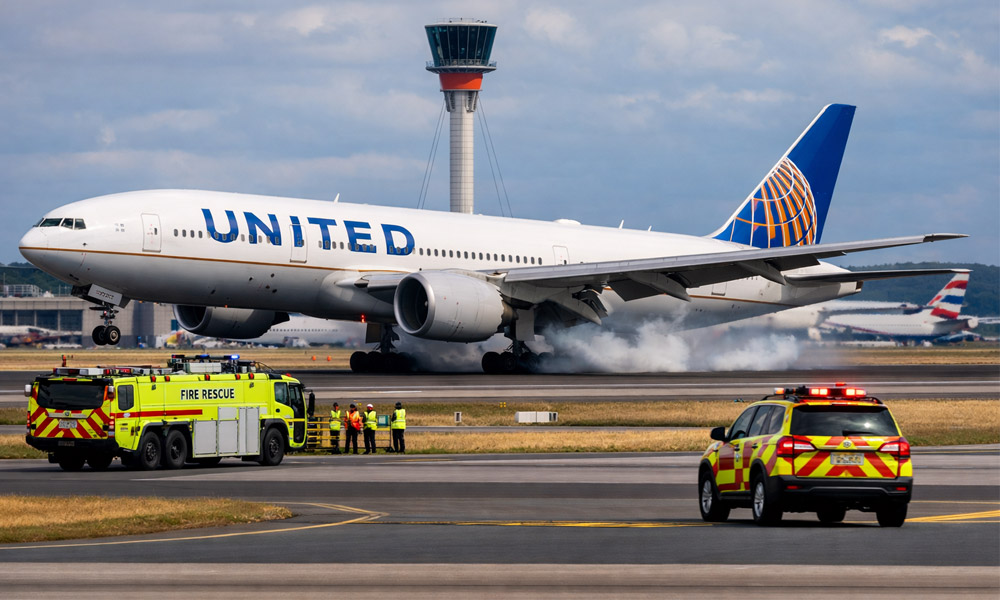
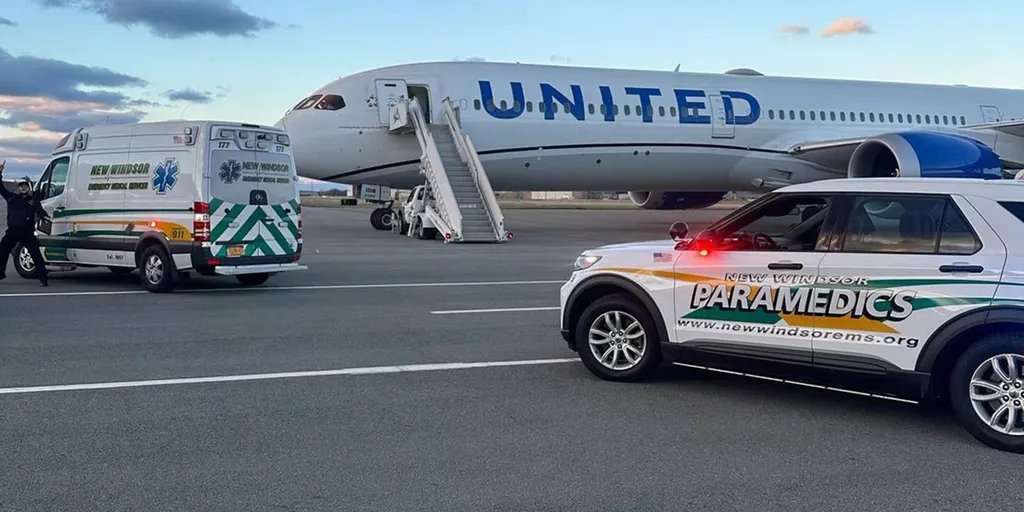
The aircraft landed safely at Newark Liberty International Airport, marking a successful resolution to the emergency. Emergency response teams were on standby as a precaution, ready to act if needed. However, the landing was smooth, and no immediate intervention was required.
After the aircraft came to a stop, passengers were guided through the disembarkation process. Airline staff provided assistance, ensuring that travelers were comfortable and informed about the next steps. This included rebooking arrangements, accommodations, and other support services as necessary.
The efficient handling of the situation demonstrates the preparedness of both the airline and airport authorities. From the moment the emergency was declared to the final landing, every step was executed according to established protocols, minimizing risk and ensuring passenger safety.
Possible Causes and Technical Considerations
While the exact cause of the United Flight 1270 emergency was not officially confirmed, such incidents are often linked to mechanical or system-related concerns. These can include sensor warnings, electrical issues, or other anomalies that require immediate attention.
Modern aircraft like the Boeing 737-900ER are equipped with multiple redundant systems, meaning that backup systems can take over if one component fails. This redundancy is a key reason why most in-flight emergencies do not escalate into dangerous situations. Pilots are trained to rely on these systems while following detailed procedures to manage any irregularities.
It is also important to note that declaring an emergency is often a preventive measure rather than a reaction to a critical failure. By acting early, pilots can reduce risks and ensure that the aircraft lands safely at the nearest suitable airport.
How Aviation Safety Protocols Prevent Disasters
The United Flight 1270 emergency highlights the strength of global aviation safety systems. Airlines operate under strict regulations set by authorities such as the Federal Aviation Administration, which enforce rigorous standards for training, maintenance, and operations.
Pilots undergo extensive simulator training to prepare for a wide range of emergency scenarios. These simulations allow them to practice decision-making under pressure, ensuring that they can respond effectively in real-life situations. Similarly, cabin crew members receive training in passenger management, first aid, and emergency procedures.
In addition to human expertise, technology plays a crucial role. Advanced monitoring systems continuously assess the aircraft’s performance, providing real-time data to the crew. This combination of human skill and technological support is what makes modern aviation one of the safest forms of transportation.
Impact on Passengers and Airline Operations
Incidents like the United Flight 1270 emergency can temporarily disrupt travel plans, but airlines are well-equipped to manage such situations. Passengers are typically offered alternative flights, accommodations, and compensation depending on the circumstances.
For United Airlines, the incident was handled in a way that maintained customer trust. The safe outcome and professional response reinforced the airline’s commitment to safety and reliability. While such events may attract media attention, they rarely have long-term negative effects on an airline’s reputation when managed correctly.
Operationally, airlines conduct thorough inspections and reviews after any emergency. These evaluations help identify potential improvements and ensure that similar issues are prevented in the future. This continuous learning process is a key part of maintaining high safety standards across the industry.
What Travelers Can Learn from This Incident
The United Flight 1270 emergency serves as an important reminder that aviation safety is built on preparation, training, and proactive decision-making. While emergencies can occur, they are handled with a level of expertise that minimizes risk and ensures positive outcomes.
For travelers, understanding how these systems work can provide reassurance. The presence of highly trained professionals, advanced technology, and strict regulations means that even unexpected situations are managed effectively. Air travel continues to be one of the safest ways to journey across the world.
Passengers can also play a role by paying attention to safety briefings and following crew instructions. These simple actions can make a significant difference in ensuring a smooth and safe experience during any flight.
Conclusion
The United Flight 1270 emergency is a clear example of how modern aviation handles unexpected challenges. From the initial detection of a technical issue to the safe landing at Newark, every step reflected the industry’s commitment to safety and precision.
Although the situation may have caused concern for those onboard, the outcome demonstrates the effectiveness of established protocols and professional training. With no injuries reported and passengers safely accommodated, the incident ultimately reinforces confidence in air travel.
